
To start a low-carb diet safely, drop sugar, bread, pasta, rice and cereal, and build each meal on protein and above-ground vegetables. Salt your food more than usual, eat potassium-rich greens, and drink at least 2 liters of water a day. If you take insulin, diabetes pills or blood-pressure medicine, see your doctor before day one.
That is the short version. The long version just got a lot better. On October 2, 2026, the Society of Metabolic Health Practitioners published a guideline on how doctors should start patients on low-carb eating. Twenty-six experts voted on its 18 core statements. Fifteen passed with every single vote. It reads less like a diet book and more like a flight checklist, and that is exactly what a first-timer needs.
Dr. Padda holds the society’s Metabolic Health Practitioner credential, but he had no hand in writing this guideline. He also took a long road to this way of eating. For years he was a strict vegetarian who preached the standard food pyramid. A bite of beef on a bun at Gates Bar-B-Q in Kansas City ended that run, and the physiology kept him from going back. Here is the protocol, step by step.
How many carbs a day is a low-carb diet?
The guideline sets the line at under 130 grams of carbohydrate a day. Most people then work in a band of 10% to 25% of their energy from carbs, depending on the goal. Ketosis, where your body runs on fat, typically starts under 50 grams a day. Some people need to go as low as 20 grams. Others get there above 70.
You do not have to reach ketosis to benefit. The guideline treats low-carb as a range, not a single number. Pick the band that matches your goal. The reason it works is insulin, which we explain in the missing links in obesity. Count total carbs, not “net” carbs. Nutritional ketosis from food is a normal state. It is not the dangerous diabetic ketoacidosis people confuse it with.
What do I eat on a low-carb diet?
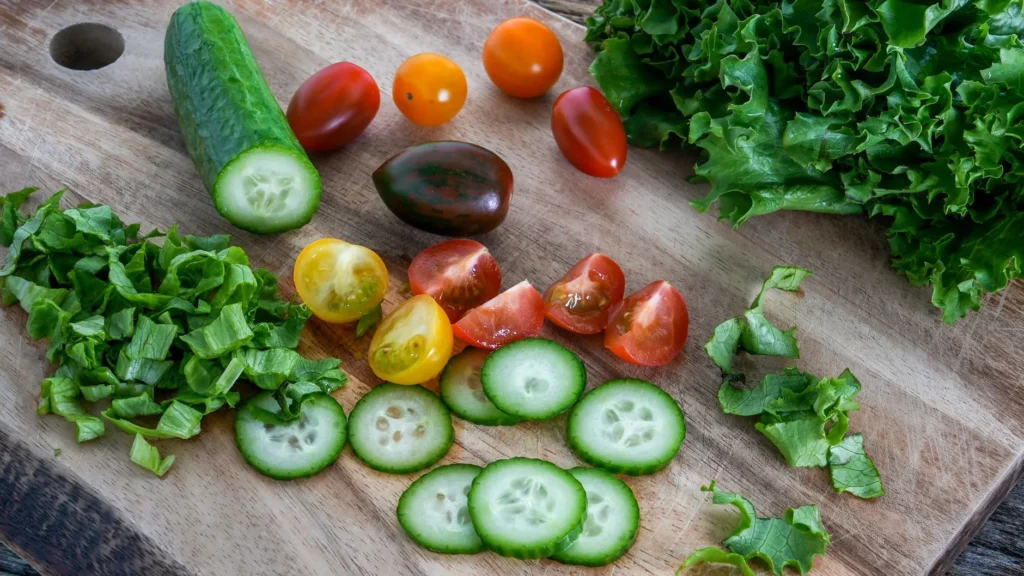
Think in this order: protein, then vegetables, then fat. The guideline’s simple list is meat, including organ meat, fish, eggs, dairy and above-ground vegetables. Low-sugar fruit is in, such as tomatoes, olives, avocados and berries. Out go bread, pasta, rice, cereal, high-sugar fruit and starchy vegetables that grow below ground, like potatoes. So do highly processed foods and added sugar. Be careful with packaged foods labeled “low-carb.”
Protein is set first. The guideline gives a few ways to aim. The easiest is 25 to 30 grams of protein at each of three meals. That is about four eggs, or a palm-sized piece of meat or fish. Fat fills in the rest. You eat it until you are full, and counting calories is generally not needed.
Our clinic adds a few rules of its own. Dr. Padda removes industrial seed oils, such as soybean, corn and canola oil, from the kitchen. Real olive oil stays. Red meat and fish are good food for his patients, and refined grains come out. The guideline names butter, tallow and coconut oil as cooking fats, and it does not rule on seed oils. That part is our position.
One worry we hear often is cost. The guideline calls a whole-food low-carb diet nutritionally sufficient, with costs comparable to a standard diet. It has been used in under-resourced communities. The cheapest calories in the store are the ones engineered to keep you buying more. Eggs, ground beef and frozen greens are not on that list.
What is the keto flu, and how do I avoid it?
The keto flu is the rough patch most people hit in the first week. It usually starts within 2 to 3 days and lasts a few days, sometimes 2 to 4 weeks. Expect some of these: headache, tiredness, light-headedness, poor focus, mood changes, cravings, muscle cramps, bad breath and constipation.
The cause is not the food. As carbs drop, insulin drops, and lower insulin tells your kidneys to dump sodium and water. Replace them and most symptoms fade. Here is the guideline’s daily checklist for the start-up weeks:
- Sodium, 2 to 3 grams. That is 5 to 7 grams of salt for most people. Salt your food generously, or drink salted bone broth.
- Potassium, 3 to 4 grams. Get it from spinach and other leafy greens, tomatoes, cucumbers, zucchini and eggplant.
- Magnesium, 200 to 400 mg. Use it for cramps if salt and water are not enough. Magnesium glycinate is well absorbed. Skip it if you have kidney disease, are pregnant or have a neuromuscular disease.
- Water, at least 2 liters. This is the first fix for constipation.
- A cramp in the night? A spoonful of pickle juice or yellow mustard often stops it.
What should I measure at home?
The guideline treats home checks as essential, because your body changes faster than your appointments do. Check your blood pressure every day. If you have diabetes, check your blood sugar every day, including a few readings 1 to 2 hours after a meal. Weigh yourself and measure your waist at the start. Write it all down in one log and bring it to your visits.
Ask for a starting panel too. The guideline lists a metabolic panel, lipids and HbA1c, with fasting insulin as an option. Dr. Padda wants fasting insulin on every chart. Above 10 µIU/mL is his clinic’s high-risk cutoff, and it often rises years before blood sugar does.
Who should not start a low-carb diet alone?
This is the one part you cannot skip. Low-carb works fast, and medicines that were dosed for your old diet can become too strong within days. Insulin, sulfonylureas, SGLT2 inhibitors and blood-pressure drugs are adjusted by your doctor, often on the first day. Never change a dose on your own. Lithium, valproic acid and warfarin need their blood levels checked.
Some conditions need a plan from the start. They include kidney disease, pregnancy or breastfeeding, gout and gallbladder disease. So do pancreatitis, heart rhythm problems, eating disorders and a long list of prescriptions. People with bipolar disorder may do better with a slower start, because mood can shift during the change.
A fair note on the guideline itself. It is an expert consensus built on a non-systematic review, with no formal grading of the evidence, written by clinicians who already practice this way. It does not replace your doctor’s judgment. It does give your doctor a clear, shared playbook.
What does a safe first week look like?
Clear the sugar and starch out of the kitchen on day zero. Plan three meals with real protein. Salt your food, eat your greens, fill your water bottle, and take your blood pressure every morning. Expect a few hard days, and know why they happen. The cravings are chemistry, not weakness, as we cover in why carbs behave like an addiction. Then call us with your medication list in hand. The most expensive diet is the one that ends in a lifetime of prescriptions. This one starts at the grocery store.
Frequently asked questions
What are the risks of a low-carb diet?
The main risk is medicine that no longer fits. Insulin and some diabetes pills can push blood sugar too low, and blood-pressure pills can push pressure too low, within the first days. The start-up symptoms are real but short. LDL cholesterol can rise for a while during weight loss and often returns to its starting level, so it is worth rechecking.
What are some low-carb fruits and vegetables?
Leafy greens, cucumbers, zucchini, eggplant, tomatoes, olives, avocados and berries. As a rule, vegetables that grow above the ground are low in carbs. Vegetables that grow below it, like potatoes, are not.
What is the number one carb to avoid?
Added sugar, with refined grains right behind it. Both raise blood sugar and insulin quickly, and both hide in packaged food. Bread, pasta, rice and cereal are the grain foods the guideline tells patients to avoid.
Sources
- Rice SM, Buchanan LA, Calkins MW, et al. A Delphi consensus-based guideline for the implementation of therapeutic carbohydrate reduction in metabolic disorders. Journal of Metabolic Health. 2026;9(1):a152. doi:10.4102/jmh.v9i1.152
Medically reviewed by Dr. Gurpreet Singh Padda, MD, MBA, MHP
Interventional pain physician, addiction medicine specialist and obesity medicine diplomate.
Licensed in Missouri and Illinois.
Last reviewed October 4, 2026