Carbs are addictive. Eating carbohydrates triggers insulin, which helps tryptophan into the brain and dramatically increases serotonin release, lifting mood. People learn to overeat soda, chips and pastries to feel better, and that repeated pattern hardwires cravings and withdrawal the way a drug does.
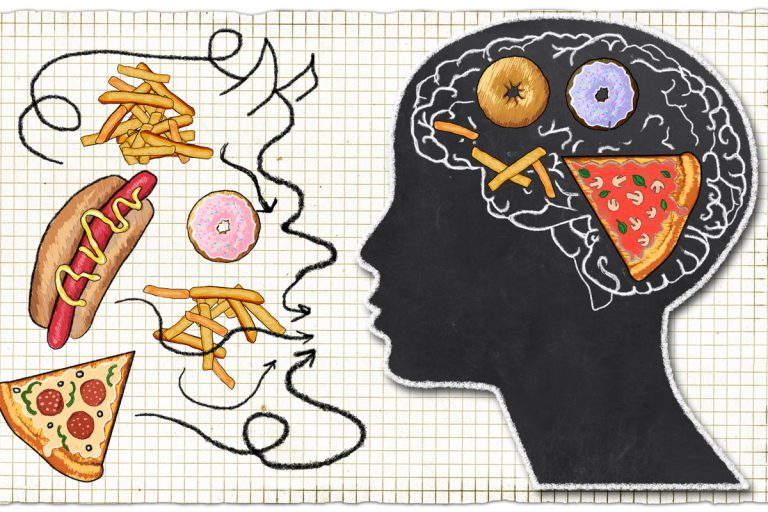
Serotonin release in the brain controls functions such as sleep onset, pain sensitivity, blood pressure regulation, and control of mood. Serotonin-releasing neurons are unique in that the amount of neurotransmitter they release is normally controlled by food intake: Carbohydrate consumption–acting via insulin secretion and the “plasma tryptophan ratio”–increases serotonin release dramatically (by enhancing the brain uptake of its precursor, tryptophan). Elevated serotonin causes significant mood enhancement and a generalized sense of contentedness. Patients learn to overeat carbohydrates (particularly snack foods and drinks, like soda, potato chips or pastries, which are rich in carbohydrates) to make themselves feel better. Self-medication with carbohydrate-rich foods as though they were drugs is a frequent cause of weight gain, and is often seen:
- In patients who become fat when exposed to stress
- In women with premenstrual syndrome (PMS)
- In patients with “winter depression” (Seasonal Affective Disorder)
- In patients who are experiencing chronic pain (ingestion analgesia)
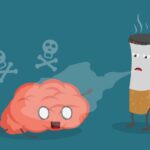
- In people who are attempting to give up smoking. (Nicotine increases brain serotonin secretion; nicotine withdrawal has the opposite effect, causing cravings.)
Chronic patterned carbohydrate consumption causes hardwired changes in neurons, such that there are cravings and feelings of withdrawal when carbohydrates are withheld. Carbohydrate load is so closely linked to addiction that the Glycemic Index (GI) of specific carbohydrates correlates closely with their relative addictive strength and activates addiction neural pathways. The take-home message: carbohydrates are an addiction. Carbohydrate consumption promotes neurochemical changes, which reinforce additional carbohydrate consumption. There is now evidence that carbohydrate binging is akin to heroin addiction, with the cravings for carbohydrates reduced by opiates and more interestingly, carbohydrate cravings dramatically increased during opiate withdrawal. Unfortunately, carbohydrate addiction will definitely make you fat.
Frequently asked questions
Is carb addiction real?
Yes. Eating carbohydrates causes neurochemical changes that push you to eat more carbohydrates. Carbohydrate bingeing is akin to heroin addiction: opiates reduce carb cravings, and carb cravings rise dramatically during opiate withdrawal. Self-medicating with carbs is often seen in people under stress, women with PMS, people with winter depression, people in chronic pain and people quitting smoking.
Can you have carb withdrawal?
Yes. Eating carbohydrates in a repeated pattern causes hardwired changes in neurons, so cravings and feelings of withdrawal appear when carbohydrates are withheld. It mirrors nicotine: nicotine raises brain serotonin, and nicotine withdrawal does the opposite and causes cravings, which is why people trying to quit smoking often reach for carbohydrate-rich snacks.
What’s the worst carb for your body?
The carbs with the highest glycemic index. A carbohydrate’s glycemic index tracks closely with its addictive strength, and high-GI carbs activate the brain’s addiction pathways. In practice that means carbohydrate-rich snack foods and drinks such as soda, potato chips and pastries, the same foods people overeat to lift their mood.